
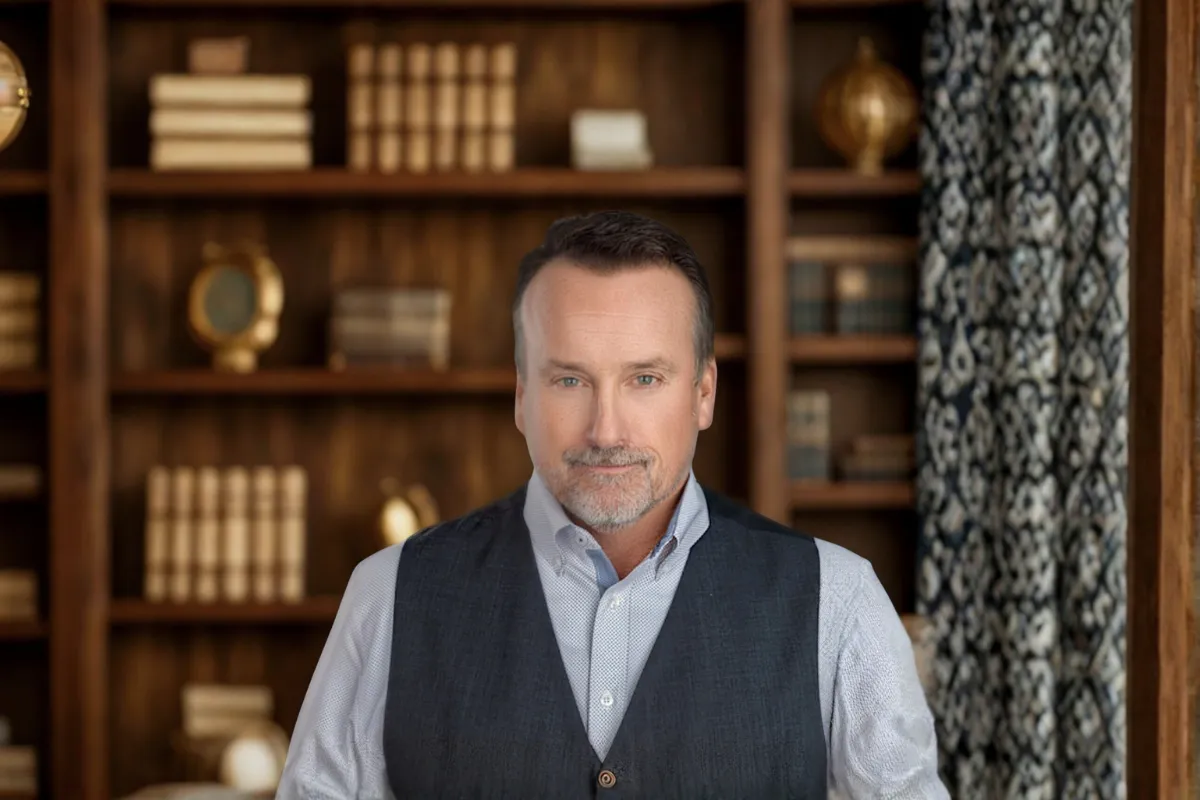
He Spent 24 Years at Coldwell Banker. Now He Says Legacy Brokerages Are a Thing of the Past.
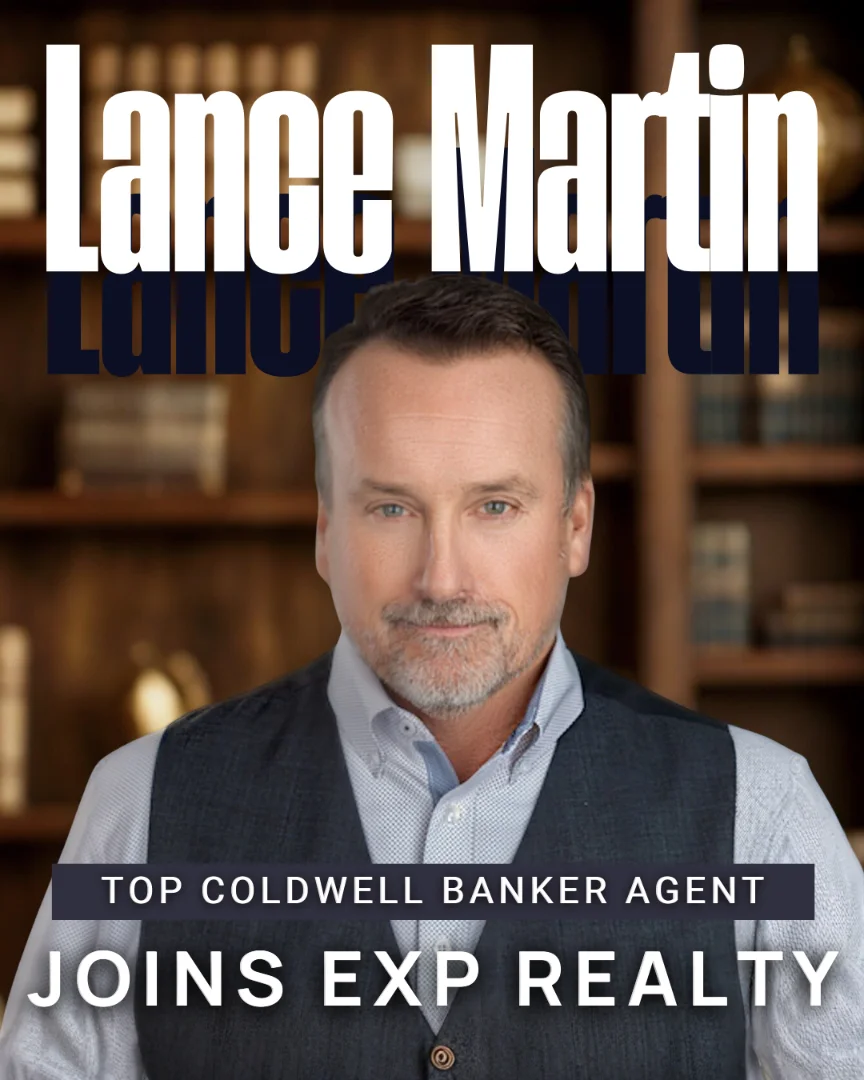
Two decades. A 140-agent organization. Now, Lance Martin says the legacy brokerage model is losing its edge. His next move is with eXp.
There’s a new power move trending in Southern California real estate.
Veteran brokers who spent decades building their businesses inside legacy brands are starting to rethink where the industry is heading. After a staggering 24 years with Coldwell Banker, industry icon Lance Martin is officially packing his bags and bringing his team to eXp Realty.
 Humble Beginnings
Lance, the owner of The Martin Group / Cobalt Realty Group, built the 140-agent Southern California organization after entering the real estate industry at just 19 years old. He got his real estate license in 1986 while attending Long Beach City College and began selling homes full-time in January of 1987.
Real estate quickly became more than a job. It became the continuation of a family tradition that had already been decades in the making.
Joined today by his sons, Drew Martin and Drake Martin, he’s continuing a dynasty that stretches back to the 1950s.
"My grandmother was a broker back in the '50s," Lance shared, recalling framed newspaper clippings of her as a "Top Broker" in 1956—often the only woman in a room full of black suits and white shirts.
It was not until later in his career that he fully understood the significance of those photos.
The real estate industry she built her career in looked very different from the one Martin operates in today. And after nearly four decades in the business, he believes the industry is entering another major shift.
One that ultimately led him to leave the legacy brokerage system behind.
Why the Legacy Brokerage is a Thing of the Past
So why leave a brand after nearly a quarter-century? According to Martin, the traditional brokerage model started feeling less like a launchpad and more like a ceiling.
In the world of legacy franchises, geography still comes with strict boundaries. Martin found himself blocked from expanding into high-demand markets like Newport Beach or Palm Desert because those territories were already assigned to other franchise owners.
“If I wanted to open an office in Newport Beach, I couldn’t do it,” Martin explains. “If I wanted to open one in Palm Desert or Indian Wells, I couldn’t do that either because the territory was already covered.”
The restrictions even showed up close to home.
“I live in Riverside,” he says. “I couldn’t open a Coldwell Banker office in the city I live in because another franchise already had that territory.”
For a broker who spent decades growing offices and building teams, those kinds of limitations started to feel increasingly outdated. After decades as both a broker-owner and franchise operator, he began to believe the traditional brokerage structure itself was starting to show its age.
“I’ve been saying for years that the business model of a traditional legacy franchise is broken,” Martin says.
Over the past two decades, he watched the economics of running a brokerage change dramatically. Operating offices became more expensive, margins became tighter, and many broker-owners found themselves relying on ancillary services like escrow, mortgage, and property management just to maintain profitability.
“Our industry shifted,” Martin explains. “A lot of brokerages aren’t really in the real estate business anymore. They’re in the ancillary service business.”
At the same time, Martin believes the balance of power inside the industry has been shifting toward agents themselves.
“The agents have slowly floated to the top of the business model,” he says. “At eXp, they’re actually positioned there.”
For Martin, that realization made the next move clear.
But this move wasn't an impulse buy. Lance actually started eyeing eXp seven years ago after a breakfast with Kyle Whissel. While he wasn't ready to jump then—a move he now calls a "huge mistake" – the seed was planted.
Over the years, as the industry continued to evolve, that idea kept resurfacing. When the time came to seriously evaluate the future of his business, Martin decided to reach out directly to eXp leadership. One message to CEO Leo Pareja later, the conversation that had been brewing for years finally turned into action.
Industry Trends
For Lance, the move also represents a massive industry shift he’s been tracking for decades.
After nearly forty years in the game, Lance has developed a "spidey sense" for where the money is moving. He calls it the 95/5 model, and it’s the ultimate industry open secret.
According to Lance, a tiny slice of the agent population is doing the heavy lifting for the entire country. "About 95 percent of the business is done by a very small group of agents," he reveals. “We’re talking about the ‘all-in’ producers and mega-teams who treat real estate like the high-stakes career it is, rather than a weekend hobby.”
The data also seems to be heading in that direction as well. While the National Association of Realtors recently showed that a staggering 71% of licensed agents did exactly zero transactions last year, Lance didn't blink. He’s watched this divide widen for fifteen years.
"The industry has shifted, and the top agents have finally floated to the top of the business model," Lance explains. “As these top-tier teams get more sophisticated, they’re capturing a lion's share of the market, leaving the ‘part-timers’ in the rearview mirror.”
For Lance, moving his team to eXp is about planting his flag firmly with that top 5%. Top-producing agents are expanding into teams. Established teams are evolving into multi-office operations. The most productive organizations are building systems that allow them to scale far beyond a single local market.
“The big teams are going to get bigger,” Martin says. “The agents who treat this like a real business are the ones who will continue to grow.”
Technology, marketing platforms, and operational support have changed what scale looks like in real estate. Teams that once operated in a single city are now expanding into multiple regions, recruiting agents, building brand recognition, and capturing market share in ways that were far more difficult a decade ago.
For agents watching the industry evolve, Martin’s call to action is this: decide where you want to fall.
The agents who commit fully to the business will continue to capture a growing share of transactions. The teams that build scalable organizations will keep expanding their footprint. Martin plans to be one of them.
With plans already in motion to scale The Martin Group / Cobalt Realty Group into a 1,000-agent organization across multiple states, Martin is positioning his business alongside the agents and teams he believes will continue shaping the future of real estate.
