

No Hallways, Shared Fireplaces, and Sidewalk Stoops: A Tour of America's Oldest Black Neighborhood
Just beyond the French Quarter, Tremé’s historic homes reveal some of New Orleans’ most fascinating architecture and the hidden ingenuity behind their design.
 New Orleans, known for its lively jazz, Creole cuisine, and unmistakable architecture, boasts some of the country’s most recognizable landmarks. The French Quarter holds its place as the crown jewel of the city, but tucked just beyond its bustling streets lies Tremé, a neighborhood with an architectural and centuries-old legacy worth exploring in its own right.
Often overlooked by visitors sticking to the usual sights, Tremé gives house and history lovers a reason to linger. It’s widely recognized as the oldest Black neighborhood in the United States and an important birthplace of jazz, with its history written directly into the homes themselves.
Recently featured in NAR’s Neighborhoods that Shaped America series, eXp Realty agent and New Orleans native Wendy Wiltz-Parker lends her expertise while taking us through the neighborhood for a closer look at its storied homes and the surprising thinking behind their design.
The Real History Behind New Orleans’ Most Famous Floor Plans
Tremé’s architectural character begins with the people who had the opportunity to build a life there. In the early 1800s, Tremé was taking shape as a neighborhood of immigrants and free people of color, including refugees from Saint-Domingue, now Haiti.
“People may consider Tremé historic because of the age of homes, but that misses the point. This was one of the first places in America where free people of color owned land and built their own homes,” Wendy says.
Residents brought their building traditions with them, making the neighborhood a meeting place for African, French, and Caribbean influences, with designs that had practical responses to Louisiana’s climate. Those influences remain visible in the homes today, sometimes sharing a single façade.
You might see tall windows framed by French shutters meant to block harsh sunlight during the summer or trap heat during the winter. Caribbean builders introduced raised floors to protect living spaces from heat and floodwaters. Later on, Victorian trim gave these highly practical structures a bit of extra personality.
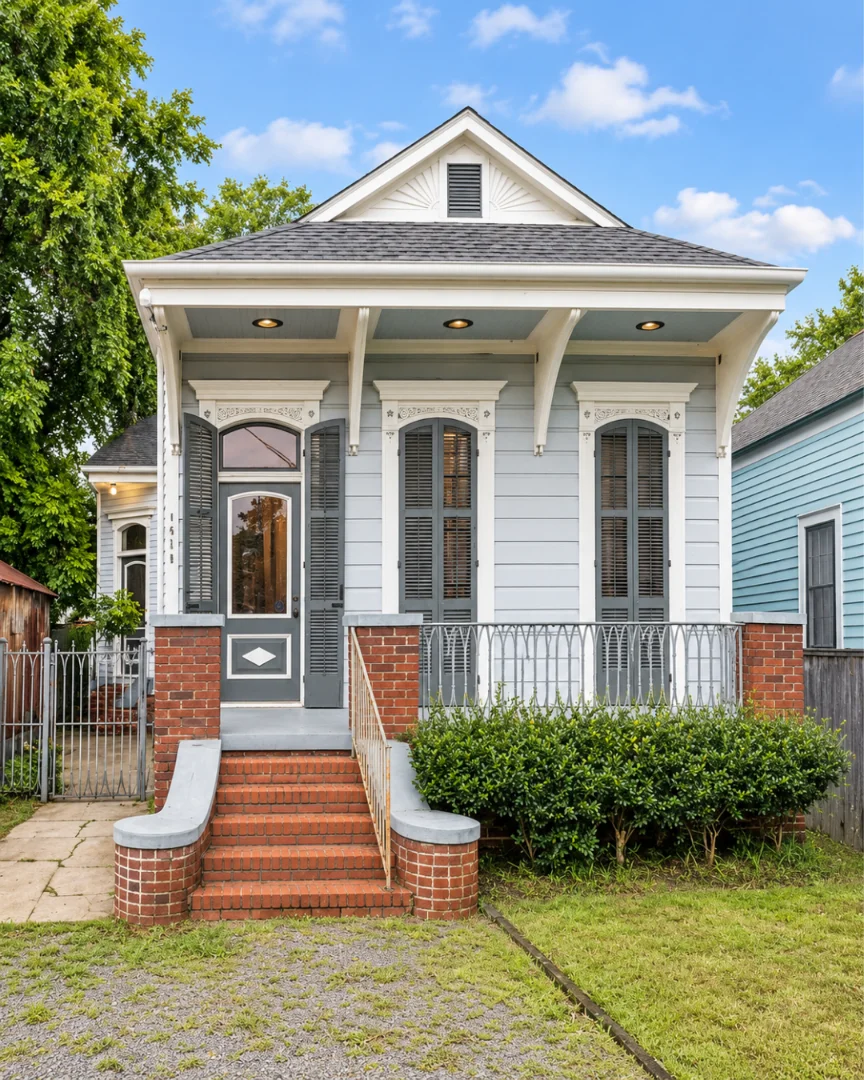 Two of Tremé’s most recognizable home designs are the shotgun house and the Creole cottage.
The shotgun layout traces its roots to West Africa and Haiti. Inside, rooms line up directly behind each other without a hallway. That layout made efficient use of the home’s narrow footprint, leaving more space for living and keeping construction relatively simple.
Walking to the back door usually means passing right through someone’s bedroom, but this connected floor plan served a very specific purpose in the sweltering heat.
Opening all the doors creates a natural wind tunnel. Paired with high ceilings, this clever layout kept residents cool long before modern air conditioning existed.
“That's the story of Tremé right there: people of African, French, and Caribbean heritage blending their traditions into something completely new.”
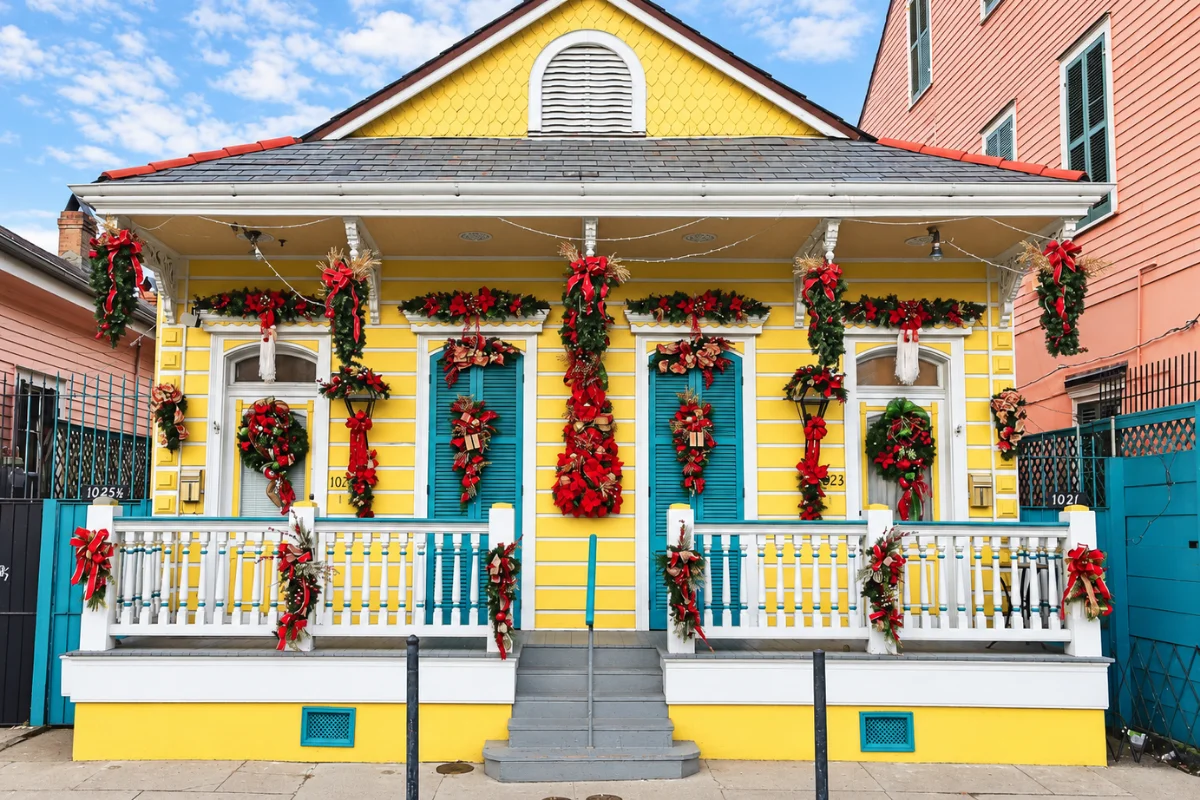
Creole cottages reflect a blend of French colonial, Caribbean, and French Canadian building traditions. Their broad façades typically feature four openings beneath a steeply pitched roof, with the house sitting close to the sidewalk. Inside, traditional layouts often have adjoining rooms without a hallway, sometimes arranged around a central fireplace.
The cottage’s broad front also offered several opportunities to catch a breeze. Its four openings could include tall French doors and windows that opened into adjoining rooms, encouraging airflow before air conditioning. An overhanging roof sheltered the front openings, while dormer windows brought light and ventilation into the upper half-story.
Behind many Creole cottages, separate kitchens made crossing the yard part of preparing a meal. Out front, homes built before cars often had no driveways, and entrances close to the sidewalk made stoops natural places to sit and socialize.
“Neighbors still talk from stoop to stoop, and when a second line or brass band passes, one can open the door and feel like they’re right there,” Wendy says.
North Claiborne Avenue provided more room to gather. Families picnicked beneath its oaks, children played on the shaded median, and Black-owned businesses lined a corridor, often referred to as New Orleans’ “Black Wall Street.”
Construction of the elevated Interstate 10 expressway in the late 1960s removed the trees and displaced the businesses and families. Today, oak-tree murals decorate the concrete columns, while second-line parades and neighborhood gatherings continue beneath the overpass.
 Historic Charm Comes With a Few House Rules
Although Tremé’s architectural character can win buyers over at first sight, owning one of its older homes takes some homework. A showing might inspire a renovation wish list, but replacing the windows or changing the shutters may involve more than finding a contractor.
“A property owner does not have 100% freedom of choice when it comes to replacing windows, doors, shutters, etc.,” Wendy says.
The Historic District Landmarks Commission oversees certain exterior changes and demolition, with requirements depending on the property and proposed work. Applications, approvals, and permits can become part of the renovation schedule. Wendy suggests budgeting roughly four weeks for a response, plus time for possible revisions, and confirming current requirements before work begins.
Getting the work done presents its own logistical puzzle. Narrow lots can leave little room for large equipment, while many homes predate driveways altogether. Beneath the house, the piers supporting those raised floors need attention, too. Wendy strongly recommends a foundation inspection before buying.
Buyers should also ask what it will cost to insure the home. Levee protection doesn’t eliminate flood risk, so checking the property’s flood history and designation and getting insurance quotes before closing can help establish the true cost of ownership.
Still, these homes continue to accommodate new chapters. Wendy is currently helping a mother and daughter, both former New Orleans residents now living out of state, purchase a duplex together. Friends, work, and opportunities to spend more time outdoors helped draw them back.
For longtime residents, remaining in the neighborhood can be more complicated. Wendy notes that rising property assessments put pressure on homeowners with fixed incomes. Preserving Tremé means considering whether those residents can afford to stay alongside the work of maintaining its houses.
“The city protects the brick and mortar, but the people are who protect the culture,” she says.
A Few More Stops Before You Go
Beyond the houses, Wendy recommends three stops that bring Tremé’s history into closer view. At St. Augustine Church, the Tomb of the Unknown Slave honors enslaved people buried in unmarked graves. Nearby, Congo Square connects visitors to the gatherings, music, and dance that contributed to the development of jazz. The Backstreet Cultural Museum documents traditions still practiced outside its doors, including second lines and jazz funerals.
Together, these places offer a fuller picture of the neighborhood surrounding the homes. A walk that begins with an unusual floor plan or a beautiful set of shutters leads to the people who built, maintained, and continued living here through extraordinary change.
“Tremé’s story isn’t just about age. It’s about ownership, resilience, and a community that’s still here despite everything that was done to it,” Wendy says.
On your next visit to New Orleans, leave time to venture beyond the French Quarter. Tremé rewards a closer look, from the rooms behind its front doors to the conversations still taking place on its steps.
