

The Ugly Reality of Fair Housing (And How to Actually Protect Your LGBTQ+ Clients)
What Every Agent Should Understand About the LGBTQ+ Homebuying Experience
Every real estate agent has to learn about Fair Housing. You learn the laws, the protected classes, and the mistakes that can land you in hot water. But even though those standards are non-negotiable, they’re also just the baseline.
The truth: checking a box on a mandatory fair housing quiz does not magically make you an ally.
Real advocacy means stepping into the friction, throwing your professional weight around, and shielding your clients from a market that still harbors heavy bias.
 What LGBTQ+ Clients May Be Screening For Besides the House
Every buyer wants to know if the home is priced fairly, whether the inspection will uncover surprises, and if the neighborhood feels like the right fit.
For many LGBTQ+ clients, there's a second list of questions.
Like many minority groups, they're not just evaluating the house. They're evaluating whether they'll feel comfortable building a life around it.
That might mean wondering whether they'll feel welcome introducing themselves to the neighbors. Whether they'll see other families like theirs in the community. Whether the lender, inspector, contractor, or attorney recommended by their agent will treat them with the same professionalism they've received so far. If they're raising children, they may also be thinking about how welcoming the local schools and community will be years after closing day.
Those concerns aren't unfounded. According to the LGBTQ+ Real Estate Alliance, 30% of LGBTQ+ buyers and renters report experiencing housing discrimination, while nearly half of LGBTQ+ renters worry they'll face discrimination during the homebuying process. Those experiences don't disappear once a client starts touring homes. They often shape how clients evaluate every step of the transaction.
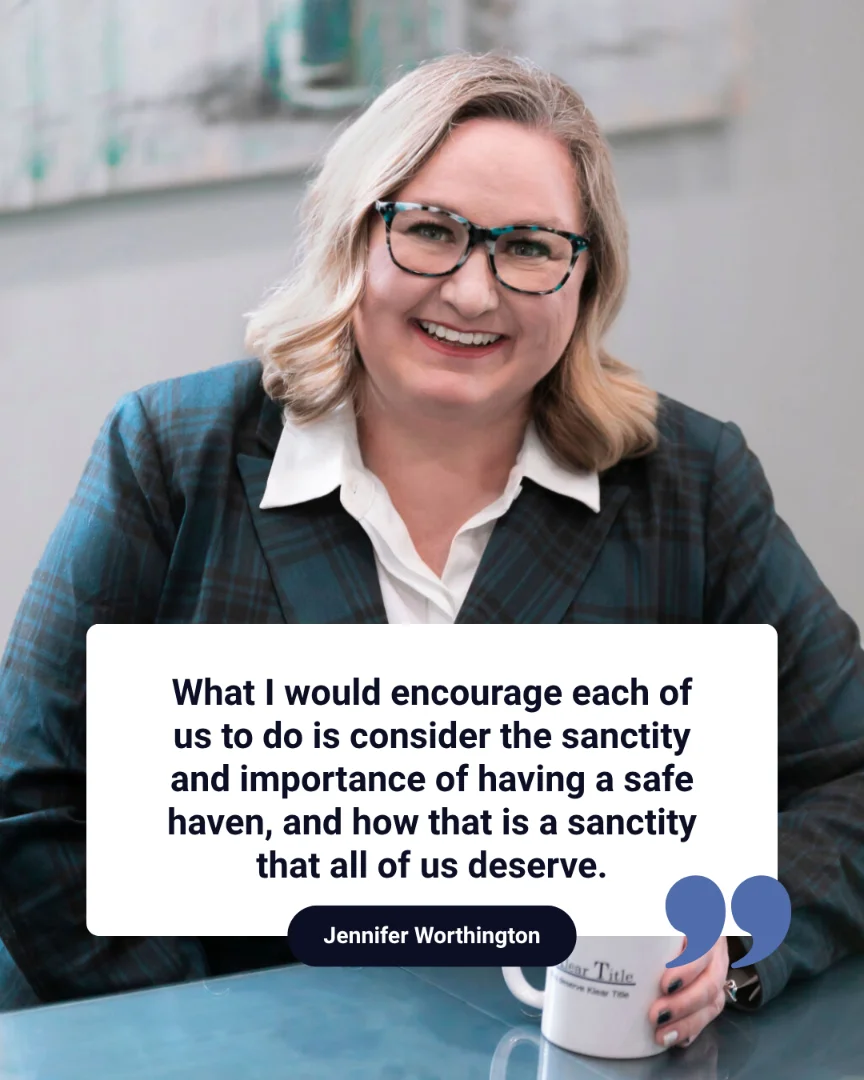
Jennifer Worthington, a broker with 27 years of experience and Vice Chair of eXp Realty's Pride Network, believes agents have an opportunity to think beyond the contract.
"What I would encourage each of us to do is consider the sanctity and importance of having a safe haven, and how that is a sanctity that all of us deserve," she said.
So what should agents do differently?
Don't assume what matters most to your client. Ask.
Instead of deciding which neighborhood feels like the "best fit," ask what would make them feel at home there. Is it being close to family? Finding an active community? Living in an area where they'll see families like theirs? Feeling comfortable attending school events or getting to know the neighbors?
Additionally, take a look at your referral network. Every lender, inspector, contractor, attorney, and moving company you recommend becomes part of your client's experience. Take the time to know that the professionals you refer will provide every client with the same level of respect and professionalism that you do.
Helping someone buy a home has always been about more than square footage and sales price. Sometimes the most valuable thing an agent can do is create space for a client to talk about the factors that don't appear on a listing sheet but will shape their life long after the moving truck pulls away.
Call Out Bad Behavior Immediately
Once you understand the extra concerns LGBTQ+ clients may be carrying, the next step is making sure they are not the only ones paying attention.
If a listing agent makes a loaded comment, if a vendor treats your clients differently, or if another professional starts asking questions that have nothing to do with the transaction, do not leave your clients to decide whether they should speak up. That is where your representation has to mean something.
Housing discrimination is still a very real issue, and clients should not have to absorb it while they are trying to find a permanent place to land.
“Fair Housing is the most important ethic of our industry in light of the current climate of our world,” Jennifer says. “There is so much uncertainty right now that it is imperative we act as ambassadors.”
Jennifer also says that she has seen first hand how unfair housing shows up, which is exactly why agents need to stay alert.
“It takes fervent attention to staying educated and welcoming all who come into our sphere, not just those who make us feel comfortable,” she said. “It takes boldness to speak out when we see things that harm and the courage to fight for those who lack the power and influence to fight for themselves.”
For agents, that means dealing with bias when it shows up, not smoothing it over to keep the deal comfortable.
Document what happened.
Get your broker involved when needed.
Redirect inappropriate questions.
Protect your client’s privacy.
Make sure every professional in the transaction understands that your client deserves the same level of respect, service, and seriousness as anyone else.
Your client hired you to represent them. That does not stop when the uncomfortable part starts.
A Welcome Mat Is the Bare Minimum
Calling out bad behavior matters, but advocacy should not only happen when something goes wrong.
The better goal is creating a transaction where LGBTQ+ clients do not have to brace themselves in the first place. Jennifer says there is a difference between being welcomed and being celebrated.
“Being welcomed means being offered safety and support, like being home,” she said. “Being celebrated takes that welcoming atmosphere and amplifies it to a higher level where everyone is offered the opportunity to be recognized and given an honored place of being seen.”
That does not mean turning your client’s identity into the whole transaction. It means making sure they do not feel like they have to shrink it.
Use the names, pronouns, and relationship language your clients use.
Make your intake forms reflect more than one kind of family. If your intake forms only say "husband and wife," you are already alienating people before the first showing.
Do not just open the front door and point out the crown molding. Know the local zoning laws and community protections so you can honestly tell your buyers if an area is actually safe for their family.
A client should not have to search for clues to figure out whether your business is safe for them. The clues should already be there.
The Best Advocacy Happens Long Before Closing Day
The best Fair Housing advocates don't only know the law, but they understand how to put it into practice every time they pick up the phone, schedule a showing, recommend a lender, or push back when something doesn't feel right.
Every client deserves an agent who will negotiate fiercely, communicate clearly, and protect their interests. For LGBTQ+ clients, that protection can also mean creating space for honest conversations, recommending professionals they can feel comfortable working with, and speaking up when bias finds its way into the transaction.
At the end of the day, Fair Housing isn't just about helping people buy a house. It's about making sure they have the same opportunity to feel at home once they get there.
